Instagram usage reach in the United States 2021, by age group
- statista.com
Updated Nov 25, 2025 Share
Share Facebook
 Twitter
 EmailClick to copy linkLink copiedCiteStatista (2025). Instagram usage reach in the United States 2021, by age group [Dataset]. https://www.statista.com/statistics/246199/share-of-us-internet-users-who-use-instagram-by-age-group/Dataset updatedNov 25, 2025Time period coveredJan 25, 2021 - Feb 8, 2021Area coveredUnited StatesDescription
As of February 2021, 71 percent of U.S. adults aged between 18 and 29 years used the photo sharing app Instagram. Furthermore, it was found that 44 percent of female adults in the United States used Instagram compared to only 36 percent of adult men. Instagram usage in the United States Instagram is one of the most popular social networks in the United States with a 40 percent usage reach among the adult population. Social media juggernaut Facebook has a 68 percent population reach. Whereas Facebook and Snapchat usage are projected to either decline or stagnate until 2021, Instagram user engagement is estimated to increase from 26 to 29 minutes per day. The number of Instagram users in the United States is also set to keep growing over the coming years – in 2019, there were approximately 107.2 million monthly active U.S. Instagram users with forecasts estimating almost 120.3 million monthly users in 2023. Teens and Instagram Instagram usage is also widely spread among teenagers in the United States: in 2018, three quarters of female U.S. teenagers aged 13 to 17 years accessed the social network, along with 69 percent of male teens. The social network is more popular among older teens than younger ones, although this may simply be due to parental restrictions around smartphone usage and media consumption.
Number of U.S. youth and young adult population 2010-2022, by age group
- statista.com
Updated Nov 28, 2025ShareFacebookTwitterEmailClick to copy linkLink copiedCiteStatista (2025). Number of U.S. youth and young adult population 2010-2022, by age group [Dataset]. https://www.statista.com/statistics/221852/number-of-youth-and-young-adult-population-in-the-us/Dataset updatedNov 28, 2025Area coveredUnited StatesDescriptionIn 2022, approximately ***** million young people between the ages of 15 to 19 years old lived in the United States. This was a slight increase from the previous year, when ***** million young people aged 15 to 19 lived in the U.S.
World population by age and region 2024
- statista.com
- wvfg.org
- +2more
ShareFacebookTwitterEmailClick to copy linkLink copiedCiteStatista, World population by age and region 2024 [Dataset]. https://www.statista.com/statistics/265759/world-population-by-age-and-region/Area coveredWorldDescriptionGlobally, about 25 percent of the population is under 15 years of age and 10 percent is over 65 years of age. Africa has the youngest population worldwide. In Sub-Saharan Africa, more than 40 percent of the population is below 15 years, and only three percent are above 65, indicating the low life expectancy in several of the countries. In Europe, on the other hand, a higher share of the population is above 65 years than the population under 15 years. Fertility rates The high share of children and youth in Africa is connected to the high fertility rates on the continent. For instance, South Sudan and Niger have the highest population growth rates globally. However, about 50 percent of the world’s population live in countries with low fertility, where women have less than 2.1 children. Some countries in Europe, like Latvia and Lithuania, have experienced a population decline of one percent, and in the Cook Islands, it is even above two percent. In Europe, the majority of the population was previously working-aged adults with few dependents, but this trend is expected to reverse soon, and it is predicted that by 2050, the older population will outnumber the young in many developed countries. Growing global population As of 2025, there are 8.1 billion people living on the planet, and this is expected to reach more than nine billion before 2040. Moreover, the global population is expected to reach 10 billions around 2060, before slowing and then even falling slightly by 2100. As the population growth rates indicate, a significant share of the population increase will happen in Africa.
National Longitudinal Study of Adolescent to Adult Health (Add Health),...
- icpsr.umich.edu
ascii, delimited, r +3Updated Aug 9, 2022+ more versionsShareFacebookTwitterEmailClick to copy linkLink copiedCiteHarris, Kathleen Mullan; Udry, J. Richard (2022). National Longitudinal Study of Adolescent to Adult Health (Add Health), 1994-2018 [Public Use] [Dataset]. http://doi.org/10.3886/ICPSR21600.v25sas, delimited, r, stata, spss, asciiAvailable download formatsUnique identifierhttps://doi.org/10.3886/ICPSR21600.v25Dataset updatedAug 9, 2022Dataset provided byInter-university Consortium for Political and Social Researchhttps://www.icpsr.umich.edu/web/pages/AuthorsHarris, Kathleen Mullan; Udry, J. RichardLicensehttps://www.icpsr.umich.edu/web/ICPSR/studies/21600/termshttps://www.icpsr.umich.edu/web/ICPSR/studies/21600/terms
Time period covered1994 - 2018Area coveredUnited StatesDescriptionDownloads of Add Health require submission of the following information, which is shared with the original producer of Add Health: supervisor name, supervisor email, and reason for download. A Data Guide for this study is available as a web page and for download. The National Longitudinal Study of Adolescent to Adult Health (Add Health), 1994-2018 [Public Use] is a longitudinal study of a nationally representative sample of U.S. adolescents in grades 7 through 12 during the 1994-1995 school year. The Add Health cohort was followed into young adulthood with four in-home interviews, the most recent conducted in 2008 when the sample was aged 24-32. Add Health combines longitudinal survey data on respondents' social, economic, psychological, and physical well-being with contextual data on the family, neighborhood, community, school, friendships, peer groups, and romantic relationships. Add Health Wave I data collection took place between September 1994 and December 1995, and included both an in-school questionnaire and in-home interview. The in-school questionnaire was administered to more than 90,000 students in grades 7 through 12, and gathered information on social and demographic characteristics of adolescent respondents, education and occupation of parents, household structure, expectations for the future, self-esteem, health status, risk behaviors, friendships, and school-year extracurricular activities. All students listed on a sample school's roster were eligible for selection into the core in-home interview sample. In-home interviews included topics such as health status, health-facility utilization, nutrition, peer networks, decision-making processes, family composition and dynamics, educational aspirations and expectations, employment experience, romantic and sexual partnerships, substance use, and criminal activities. A parent, preferably the resident mother, of each adolescent respondent interviewed in Wave I was also asked to complete an interviewer-assisted questionnaire covering topics such as inheritable health conditions, marriages and marriage-like relationships, neighborhood characteristics, involvement in volunteer, civic, and school activities, health-affecting behaviors, education and employment, household income and economic assistance, parent-adolescent communication and interaction, parent's familiarity with the adolescent's friends and friends' parents. Add Health data collection recommenced for Wave II from April to August 1996, and included almost 15,000 follow-up in-home interviews with adolescents from Wave I. Interview questions were generally similar to Wave I, but also included questions about sun exposure and more detailed nutrition questions. Respondents were asked to report their height and weight during the course of the interview, and were also weighed and measured by the interviewer. From August 2001 to April 2002, Wave III data were collected through in-home interviews with 15,170 Wave I respondents (now 18 to 26 years old), as well as interviews with their partners. Respondents were administered survey questions designed to obtain information about family, relationships, sexual experiences, childbearing, and educational histories, labor force involvement, civic participation, religion and spirituality, mental health, health insurance, illness, delinquency and violence, gambling, substance abuse, and involvement with the criminal justice system. High School Transcript Release Forms were also collected at Wave III, and these data comprise the Education Data component of the Add Health study. Wave IV in-home interviews were conducted in 2008 and 2009 when the original Wave I respondents were 24 to 32 years old. Longitudinal survey data were collected on the social, economic, psychological, and health circumstances of respondents, as well as longitudinal geographic data. Survey questions were expanded on educational transitions, economic status and financial resources and strains, sleep patterns and sleep quality, eating habits and nutrition, illnesses and medications, physical activities, emotional content and quality of current or most recent romantic/cohabiting/marriage relationships, and maltreatment during childhood by caregivers. Dates and circumstances of key life events occurring in young adulthood were also recorded, including a complete marriage and cohabitation history, full
Reach of social media used by U.S. teens and young adults 2020
- statista.com
ShareFacebookTwitterEmailClick to copy linkLink copiedCiteStatista, Reach of social media used by U.S. teens and young adults 2020 [Dataset]. https://www.statista.com/statistics/199242/social-media-and-networking-sites-used-by-us-teenagers/Area coveredUnited StatesDescriptionThis statistic gives information on the most popular social media sites used by teenage and young adult internet users in the United States as of the third quarter of 2020. During the survey period, it was found that ** percent of responding internet users aged 15 to 25 years used social photo sharing app Instagram.
Despite Snapchat's dominance, Facebook continues to be the more widely used social networking site used by teenagers and young adults7. A total of ** percent of respondents currently use Facebook, compared to ** percent of respondents who stated that they used Snapchat. Yet when teens, whose average age was **, rated their most important social network, Snapchat, Instagram, and Twitter where given more important ratings than Facebook. These social networks are being increasingly visited via mobile devices.
- d
Mental Health of Children and Young People Surveys
- digital.nhs.uk
Updated Nov 29, 2022+ more versionsShareFacebookTwitterEmailClick to copy linkLink copiedCite(2022). Mental Health of Children and Young People Surveys [Dataset]. https://digital.nhs.uk/data-and-information/publications/statistical/mental-health-of-children-and-young-people-in-englandDataset updatedNov 29, 2022Licensehttps://digital.nhs.uk/about-nhs-digital/terms-and-conditionshttps://digital.nhs.uk/about-nhs-digital/terms-and-conditions
DescriptionThis report presents findings from the third (wave 3) in a series of follow up reports to the 2017 Mental Health of Children and Young People (MHCYP) survey, conducted in 2022. The sample includes 2,866 of the children and young people who took part in the MHCYP 2017 survey. The mental health of children and young people aged 7 to 24 years living in England in 2022 is examined, as well as their household circumstances, and their experiences of education, employment and services and of life in their families and communities. Comparisons are made with 2017, 2020 (wave 1) and 2021 (wave 2), where possible, to monitor changes over time.
- t
National Longitudinal Study of Adolescent to Adult Health, Public Use...
- thearda.com
Updated Nov 15, 2014ShareFacebookTwitterEmailClick to copy linkLink copiedCiteDr. Kathleen Mullan Harris (2014). National Longitudinal Study of Adolescent to Adult Health, Public Use Contextual Database, Wave I [Dataset]. http://doi.org/10.17605/OSF.IO/PY6C2Unique identifierhttps://doi.org/10.17605/OSF.IO/PY6C2Dataset updatedNov 15, 2014Dataset provided byThe Association of Religion Data ArchivesAuthorsDr. Kathleen Mullan HarrisDataset funded byCooperative funding from 23 other federal agencies and foundations
Eunice Kennedy Shriver National Institute of Child Health & Human Development
Department of Health and Human Services
National Institutes of HealthDescriptionThe "https://addhealth.cpc.unc.edu/" Target="_blank">National Longitudinal Study of Adolescent to Adult Health (Add Health) is a longitudinal study of a nationally representative sample of adolescents in grades 7-12 in the United States during the 1994-95 school year. The Add Health cohort has been followed into young adulthood with four in-home interviews, the most recent in 2008, when the sample was aged 24-32*. Add Health combines longitudinal survey data on respondents' social, economic, psychological and physical well-being with contextual data on the family, neighborhood, community, school, friendships, peer groups, and romantic relationships, providing unique opportunities to study how social environments and behaviors in adolescence are linked to health and achievement outcomes in young adulthood. The fourth wave of interviews expanded the collection of biological data in Add Health to understand the social, behavioral, and biological linkages in health trajectories as the Add Health cohort ages through adulthood. The fifth wave of data collection is planned to begin in 2016.
Initiated in 1994 and supported by three program project grants from the "https://www.nichd.nih.gov/" Target="_blank">Eunice Kennedy Shriver National Institute of Child Health and Human Development (NICHD) with co-funding from 23 other federal agencies and foundations, Add Health is the largest, most comprehensive longitudinal survey of adolescents ever undertaken. Beginning with an in-school questionnaire administered to a nationally representative sample of students in grades 7-12, the study followed up with a series of in-home interviews conducted in 1995, 1996, 2001-02, and 2008. Other sources of data include questionnaires for parents, siblings, fellow students, and school administrators and interviews with romantic partners. Preexisting databases provide information about neighborhoods and communities.
Add Health was developed in response to a mandate from the U.S. Congress to fund a study of adolescent health, and Waves I and II focus on the forces that may influence adolescents' health and risk behaviors, including personal traits, families, friendships, romantic relationships, peer groups, schools, neighborhoods, and communities. As participants have aged into adulthood, however, the scientific goals of the study have expanded and evolved. Wave III, conducted when respondents were between 18 and 26** years old, focuses on how adolescent experiences and behaviors are related to decisions, behavior, and health outcomes in the transition to adulthood. At Wave IV, respondents were ages 24-32* and assuming adult roles and responsibilities. Follow up at Wave IV has enabled researchers to study developmental and health trajectories across the life course of adolescence into adulthood using an integrative approach that combines the social, behavioral, and biomedical sciences in its research objectives, design, data collection, and analysis.
* 52 respondents were 33-34 years old at the time of the Wave IV interview.
** 24 respondents were 27-28 years old at the time of the Wave III interview.
To provide an array of community characteristics by which researchers may investigate the nature of such contextual influences for a wide range of adolescent health behaviors, selected contextual variables have been calculated and compiled. These are provided in this Contextual Database, already linked to the Add Health respondent IDs. - d
Mental Health of Children and Young People Surveys
- digital.nhs.uk
Updated Sep 30, 2021+ more versionsShareFacebookTwitterEmailClick to copy linkLink copiedCite(2021). Mental Health of Children and Young People Surveys [Dataset]. https://digital.nhs.uk/data-and-information/publications/statistical/mental-health-of-children-and-young-people-in-englandDataset updatedSep 30, 2021Licensehttps://digital.nhs.uk/about-nhs-digital/terms-and-conditionshttps://digital.nhs.uk/about-nhs-digital/terms-and-conditions
Time period coveredFeb 15, 2021 - Mar 28, 2021DescriptionThis is the second (wave 2) in a series of follow up reports to the Mental Health and Young People Survey (MHCYP) 2017, exploring the mental health of children and young people in February/March 2021, during the Coronavirus (COVID-19) pandemic and changes since 2017. Experiences of family life, education, and services during the COVID-19 pandemic are also examined. The sample for the Mental Health Survey for Children and Young People, 2021 (MHCYP 2021), wave 2 follow up was based on 3,667 children and young people who took part in the MHCYP 2017 survey, with both surveys also drawing on information collected from parents. Cross-sectional analyses are presented, addressing three primary aims: Aim 1: Comparing mental health between 2017 and 2021 – the likelihood of a mental disorder has been assessed against completion of the Strengths and Difficulties Questionnaire (SDQ) in both years in Topic 1 by various demographics. Aim 2: Describing life during the COVID-19 pandemic - Topic 2 examines the circumstances and experiences of children and young people in February/March 2021 and the preceding months, covering: COVID-19 infection and symptoms. Feelings about social media use. Family connectedness. Family functioning. Education, including missed days of schooling, access to resources, and support for those with Special Educational Needs and Disabilities (SEND). Changes in circumstances. How lockdown and restrictions have affected children and young people’s lives. Seeking help for mental health concerns. Aim 3: Present more detailed data on the mental health, circumstances and experiences of children and young people by ethnic group during the coronavirus pandemic (where sample sizes allow). The data is broken down by gender and age bands of 6 to 10 year olds and 11 to 16 year olds for all categories, and 17 to 22 years old for certain categories where a time series is available, as well as by whether a child is unlikely to have a mental health disorder, possibly has a mental health disorder and probably has a mental health disorder. This study was funded by the Department of Health and Social Care, commissioned by NHS Digital, and carried out by the Office for National Statistics, the National Centre for Social Research, University of Cambridge and University of Exeter.
Data from: Five year pediatric use of a digital wearable fitness device:...
- zenodo.org
- datasetcatalog.nlm.nih.gov
- +1more
csvUpdated Jun 4, 2022ShareFacebookTwitterEmailClick to copy linkLink copiedCiteKimayani Butte; Kimayani Butte; Amir Bahmani; Amir Bahmani; Atul Butte; Atul Butte; Xiao Li; Michael Snyder; Michael Snyder; Xiao Li (2022). Five year pediatric use of a digital wearable fitness device: lessons from a pilot case study [Dataset]. http://doi.org/10.7272/q6ng4nwtcsvAvailable download formatsUnique identifierhttps://doi.org/10.7272/q6ng4nwtDataset updatedJun 4, 2022AuthorsKimayani Butte; Kimayani Butte; Amir Bahmani; Amir Bahmani; Atul Butte; Atul Butte; Xiao Li; Michael Snyder; Michael Snyder; Xiao LiLicenseCC0 1.0 Universal Public Domain Dedicationhttps://creativecommons.org/publicdomain/zero/1.0/
License information was derived automaticallyDescriptionObjectives: Wearable fitness devices are increasingly used by the general population, with new applications being proposed and designed for healthy adults as well as adults with chronic diseases. Fewer, if any, studies of these devices have been conducted in healthy adolescents and teenagers, especially over a long period of time. The goal of this work was to document the successes and challenges involved in 5 years of a wearable fitness device use in a pediatric case study.
Materials and Methods: Comparison of five years of step counts and minutes asleep from a teenaged girl and her father.
Results: At 60 months, this may be the longest reported pediatric study involving a wearable fitness device, and the first simultaneously involving a parent and a child. We find step counts to be significantly higher for both the adult and teen on school/work days, along with less sleep. The teen walked significantly less towards the end of the 5 year study. Surprisingly, many of the adult's and teen's sleeping and step counts were correlated, possibly due to coordinated behaviors.
Discussion: We end with several recommendations for pediatricians and device manufacturers, including the need for constant adjustments of stride length and calorie counts as teens are growing.
Conclusion: With periodic adjustments for growth, this pilot study shows these devices can be used for more accurate and consistent measurements in adolescents and teenagers over longer periods of time, to potentially promote healthy behaviors.
- f
Data from: I Can't Take My Eyes Off of You: Attentional Allocation to...
- datasetcatalog.nlm.nih.gov
- plos.figshare.com
Updated Oct 29, 2014ShareFacebookTwitterEmailClick to copy linkLink copiedCiteRutherford, Helena J. V.; Mayes, Linda C.; Thompson-Booth, Chloe; Viding, Essi; McCrory, Eamon; Hodsoll, Sara (2014). I Can't Take My Eyes Off of You: Attentional Allocation to Infant, Child, Adolescent and Adult Faces in Mothers and Non-Mothers [Dataset]. https://datasetcatalog.nlm.nih.gov/dataset?q=0001238872Dataset updatedOct 29, 2014AuthorsRutherford, Helena J. V.; Mayes, Linda C.; Thompson-Booth, Chloe; Viding, Essi; McCrory, Eamon; Hodsoll, SaraDescriptionIt has been reported previously that infant faces elicit enhanced attentional allocation compared to adult faces in adult women, particularly when these faces are emotional and when the participants are mothers, as compared to non-mothers [1]. However, it remains unclear whether this increased salience of infant faces as compared to adult faces extends to children older than infant age, or whether infant faces have a unique capacity to elicit preferential attentional allocation compared to juvenile or adult faces. Therefore, this study investigated attentional allocation to a variety of different aged faces (infants, pre-adolescent children, adolescents, and adults) in 84 adult women, 39 of whom were mothers. Consistent with previous findings, infant faces were found to elicit greater attentional engagement compared to pre-adolescent, adolescent, or adult faces, particularly when the infants displayed distress; again, this effect was more pronounced in mothers compared to non-mothers. Pre-adolescent child faces were also found to elicit greater attentional engagement compared to adolescent and adult faces, but only when they displayed distress. No preferential attentional allocation was observed for adolescent compared to adult faces. These findings indicate that cues potentially signalling vulnerability, specifically age and sad affect, interact to engage attention. They point to a potentially important mechanism, which helps facilitate caregiving behaviour.
- d
LBOI Indicator 11.1 - Teenage conception rates (under 18) per 1000...
- digital.nhs.uk
Updated Sep 22, 2015ShareFacebookTwitterEmailClick to copy linkLink copiedCite(2015). LBOI Indicator 11.1 - Teenage conception rates (under 18) per 1000 population [Dataset]. https://digital.nhs.uk/data-and-information/publications/statistical/compendium-local-basket-of-inequality-indicators-lboi/current/section-11-maternal-infant-and-child-healthDataset updatedSep 22, 2015Licensehttps://digital.nhs.uk/about-nhs-digital/terms-and-conditionshttps://digital.nhs.uk/about-nhs-digital/terms-and-conditions
DescriptionLegacy unique identifier: P01079
National Longitudinal Study of Adolescent to Adult Health, Public Use...
- thearda.com
Updated Nov 15, 2014+ more versionsShareFacebookTwitterEmailClick to copy linkLink copiedCiteDr. Kathleen Mullan Harris (2014). National Longitudinal Study of Adolescent to Adult Health, Public Use In-Home Data, Wave III [Dataset]. http://doi.org/10.17605/OSF.IO/UWJAQUnique identifierhttps://doi.org/10.17605/OSF.IO/UWJAQDataset updatedNov 15, 2014Dataset provided byAssociation of Religion Data ArchivesAuthorsDr. Kathleen Mullan HarrisDataset funded byNational Institutes of Health
Cooperative funding from 23 other federal agencies and foundations
Eunice Kennedy Shriver National Institute of Child Health & Human Development
Department of Health and Human ServicesDescriptionThe "https://addhealth.cpc.unc.edu/" Target="_blank">National Longitudinal Study of Adolescent to Adult Health (Add Health) is a longitudinal study of a nationally representative sample of adolescents in grades 7-12 in the United States. The Add Health cohort has been followed into young adulthood with four in-home interviews, the most recent in 2008, when the sample was aged 24-32*. Add Health combines longitudinal survey data on respondents' social, economic, psychological and physical well-being with contextual data on the family, neighborhood, community, school, friendships, peer groups, and romantic relationships, providing unique opportunities to study how social environments and behaviors in adolescence are linked to health and achievement outcomes in young adulthood. The fourth wave of interviews expanded the collection of biological data in Add Health to understand the social, behavioral, and biological linkages in health trajectories as the Add Health cohort ages through adulthood. The fifth wave of data collection is planned to begin in 2016.
Initiated in 1994 and supported by three program project grants from the "https://www.nichd.nih.gov/" Target="_blank">Eunice Kennedy Shriver National Institute of Child Health and Human Development (NICHD) with co-funding from 23 other federal agencies and foundations, Add Health is the largest, most comprehensive longitudinal survey of adolescents ever undertaken. Beginning with an in-school questionnaire administered to a nationally representative sample of students in grades 7-12, the study followed up with a series of in-home interviews conducted in 1995, 1996, 2001-02, and 2008. Other sources of data include questionnaires for parents, siblings, fellow students, and school administrators and interviews with romantic partners. Preexisting databases provide information about neighborhoods and communities.
Add Health was developed in response to a mandate from the U.S. Congress to fund a study of adolescent health, and Waves I and II focus on the forces that may influence adolescents' health and risk behaviors, including personal traits, families, friendships, romantic relationships, peer groups, schools, neighborhoods, and communities. As participants have aged into adulthood, however, the scientific goals of the study have expanded and evolved. Wave III, conducted when respondents were between 18 and 26** years old, focuses on how adolescent experiences and behaviors are related to decisions, behavior, and health outcomes in the transition to adulthood. At Wave IV, respondents were ages 24-32* and assuming adult roles and responsibilities. Follow up at Wave IV has enabled researchers to study developmental and health trajectories across the life course of adolescence into adulthood using an integrative approach that combines the social, behavioral, and biomedical sciences in its research objectives, design, data collection, and analysis.
* 52 respondents were 33-34 years old at the time of the Wave IV interview.
** 24 respondents were 27-28 years old at the time of the Wave III interview.
The Wave III public-use data are helpful in analyzing the transition between adolescence and young adulthood. Included in this dataset is the in-home questionnaire data.Consider the Source: Adolescents and Adults Similarly Follow Older Adult...
- plos.figshare.com
txtUpdated Jun 2, 2023ShareFacebookTwitterEmailClick to copy linkLink copiedCiteFrederico S. Lourenco; Johannes H. Decker; Gloria A. Pedersen; Danielle V. Dellarco; B. J. Casey; Catherine A. Hartley (2023). Consider the Source: Adolescents and Adults Similarly Follow Older Adult Advice More than Peer Advice [Dataset]. http://doi.org/10.1371/journal.pone.0128047txtAvailable download formatsUnique identifierhttps://doi.org/10.1371/journal.pone.0128047Dataset updatedJun 2, 2023AuthorsFrederico S. Lourenco; Johannes H. Decker; Gloria A. Pedersen; Danielle V. Dellarco; B. J. Casey; Catherine A. HartleyLicenseAttribution 4.0 (CC BY 4.0)https://creativecommons.org/licenses/by/4.0/
License information was derived automaticallyDescriptionIndividuals learn which of their actions are likely to be rewarded through trial and error. This form of learning is critical for adapting to new situations, which adolescents frequently encounter. Adolescents are also greatly influenced by their peers. The current study tested the extent to which adolescents rely on peer advice to guide their actions. Adolescent and young adult participants completed a probabilistic learning task in which they chose between four pairs of stimuli with different reinforcement probabilities, with one stimulus in each pair more frequently rewarded. Participants received advice about two of these pairs, once from a similarly aged peer and once from an older adult. Crucially, this advice was inaccurate, enabling the dissociation between experience-based and instruction-based learning. Adolescents and adults learned equally well from experience and no age group difference was evident in the overall influence of advice on choices. Surprisingly, when considering the source of advice, there was no evident influence of peer advice on adolescent choices. However, both adolescents and adults were biased toward choosing the stimulus recommended by the older adult. Contrary to conventional wisdom, these data suggest that adolescents may prioritize the advice of older adults over that of peers in certain decision-making contexts.
Favorite social networks of U.S. teens 2012-2023
- statista.com
Updated Nov 25, 2025ShareFacebookTwitterEmailClick to copy linkLink copiedCiteStatista (2025). Favorite social networks of U.S. teens 2012-2023 [Dataset]. https://www.statista.com/statistics/250172/social-network-usage-of-us-teens-and-young-adults/Dataset updatedNov 25, 2025Area coveredUnited StatesDescriptionIn a fall 2023 survey, it was found that TikTok was the most important social network for 38 percent of U.S. teens. Snapchat ranked second, with 28 percent of teenagers in the United States stating it to be their favorite, ahead of Instagram. Teens and the internet in the United States It is no secret that the young really know what’s what when it comes to new technologies these days. Especially those born in the internet era and who only know of analog telephones and cameras from stories of their elders seem to be constantly online and always following the latest tech trends. In fact, a recent survey shows that some 92 percent of American teens accessed the internet on a daily basis, where 56 claim to connect several times a day, and 24 percent are connected almost constantly to the internet. Furthermore, the move from desktop computers to mobile devices insured that teenagers would be some of the most fervent users of mobile internet, anytime, anywhere.
- f
Data_Sheet_1_Adolescent Exploratory Strategies and Behavioral Types in the...
- figshare.com
- frontiersin.figshare.com
txtUpdated Mar 4, 2019+ more versionsShareFacebookTwitterEmailClick to copy linkLink copiedCiteStina Lundberg; Cecilia Högman; Erika Roman (2019). Data_Sheet_1_Adolescent Exploratory Strategies and Behavioral Types in the Multivariate Concentric Square FieldTM Test.CSV [Dataset]. http://doi.org/10.3389/fnbeh.2019.00041.s001txtAvailable download formatsUnique identifierhttps://doi.org/10.3389/fnbeh.2019.00041.s001Dataset updatedMar 4, 2019Dataset provided byFrontiersAuthorsStina Lundberg; Cecilia Högman; Erika RomanLicenseAttribution 4.0 (CC BY 4.0)https://creativecommons.org/licenses/by/4.0/
License information was derived automaticallyDescriptionAdolescence is an important developmental phase with extensive changes in behavior due to remodeling of the brain and hormonal systems. Validation of animal behavioral tests in this age group is therefore of importance as differences to adult behavior are often not clarified. The aim of the present study was to investigate adolescent behavior in the multivariate concentric square fieldTM (MCSF) test and its relationship to other common behavioral tests as well as to a literature dataset of adult animals. Sixty adolescent male Wistar rats were tested in the MCSF and one of four reference tests; the elevated plus maze, the open field with or without start box, or the social play behavior test. Additionally, 12 animals were tested twice in the MCSF. When analyzing the first encounter with the MCSF test, a distinct grouping of the individuals into three behavioral types was observed. Approximately 20% of the animals had high levels of activity and an additional 20% had high levels of shelter seeking-behavior, these groups composed the outlying behavioral types named Explorers and Shelter seekers, respectively, which were distinct from the Main type of animals. When tested in the MCSF for a second time, the adolescent animals showed a recollection of the arena as they changed their behavior in relation to the first encounter. When comparing the MCSF performance to the reference tests, a relationship was found between the MCSF and the other behavioral test entailing forced exploration, while no relationship was found between the MCSF and social play. The adolescent behavioral profile was characterized by decreased risk assessment and a different activity profile than adults. In conclusion, the MCSF test is useful for profiling adolescent rats but the behavioral interpretation differs from that of adults due to differences in behavioral manifestation during adolescence and the presence of natural subgroups. Adolescent exploration shows a relationship across tests, but the MCSF gives more information than any of the other behavioral tests based on forced exploration. Further studies into the neurobiology behind the behavioral types and how different manipulations affect the distribution into the behavioral types are of interest.
- w
A Look At Drug Abuse Treatment Centers
- data.wu.ac.at
Updated Oct 10, 2013+ more versionsShareFacebookTwitterEmailClick to copy linkLink copiedCiteGlobal (2013). A Look At Drug Abuse Treatment Centers [Dataset]. https://data.wu.ac.at/schema/datahub_io/ZGFlNzVjMGUtYmRkYy00N2ViLWExZjMtYmQ3ZTgwNWEwM2QwDataset updatedOct 10, 2013Dataset provided byGlobalDescriptionAs a long term or short term care system for drug abuse, treatments centers are used to encourage the stoppage of drug abuse through their various plans. Drug abuse centers offer a wide variety of ways to help obtain a clean life style for many addicts which can be experiencing their addictions. Several drug abuse treatment centers are staffed by addicts o-r alcoholics. Because drug abuse is common, centers use stipulations and rules to keep things alive and well within their companies.
Drug abuse centers are fully in a position to try and help although not treatment fans from their drug abuse. Centers can run organizations focused on self-preservation and the utilization also of other applications such as Narcotics Anonymous. Drug abuse centers also have transportation at many times to obtain the fan to and from local conferences and also to in-house activities such as bowling, softball o-r things of discretion such because the movies.
As an easy way to assist people cleanse off of many drugs medications may be also introduced by drug abuse treatment centers. This consists of alcohol and heroin abuse. These medications are taken to help deal with issues such as tremors and also many other side effects of the fans drug abuse. Treatment centers also check issues including the medical needs often and also mental-health needs. This is due to the fact that, in some cases of drug abuse, treatment centers should handle and help with other issues involved in the addicts restoration approach which also can include hepatitis and HIV/AIDS. Discover further on the affiliated portfolio by visiting read this.
Lovers use drug abuse centers at the usual time when people cannot tolerate their usage anymore and is likely to NA (Narcotics Anonymous) meetings and sometimes a wholesome alternative to becoming an out-patient. Drug abuse centers also offer liasons between parents and their young ones and also for teenagers with their parents. More than half of drug-abuse centers are for adults where the others are designed for the teen.
Teens which were placed into drug-abuse treatment centers must sometimes offer parental permission to do so. Adolescents involved in drug abuse centers frequently find yourself with a case manager or a therapist to help them cope with their troubles or their ideas that it it's cool to keep the drug abuse. Centers know this and is going to do all that is required to keep the teenager from exterminating themselves with the lives filled with drug abuse.
Drug abuse treatment centers might have an limit as to who and how small the teen should be to be able to sign up in it. This is because they do not need the most common adult stuck with an adolescent with a huge age gap between them-selves and their recovery. Restoration in a drug-abuse treatment center to staff and to most those who enter them can be quite a satisfactory experience because of the amount of experience and the product quality of care that most entail.
- N
Rewards Enhance Proactive and Reactive Control in Adolescence and Adulthood:...
- neurovault.org
niftiUpdated Jun 15, 2020+ more versionsShareFacebookTwitterEmailClick to copy linkLink copiedCite(2020). Rewards Enhance Proactive and Reactive Control in Adolescence and Adulthood: Proactive control (Reward blocks vs Baseline blocks accounting for fixation) [Dataset]. http://identifiers.org/neurovault.image:110731niftiAvailable download formatsUnique identifierhttps://identifiers.org/neurovault.image:110731Dataset updatedJun 15, 2020LicenseCC0 1.0 Universal Public Domain Dedicationhttps://creativecommons.org/publicdomain/zero/1.0/
License information was derived automaticallyDescription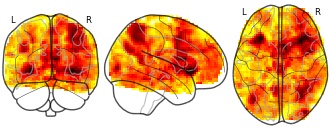
Collection description
Cognitive control allows the coordination of cognitive processes to achieve goals. Control may be sustained in anticipation of goal-relevant cues (proactive control) or transient in response to the cues themselves (reactive control). Adolescents typically exhibit a more reactive pattern than adults in the absence of incentives. We investigated how reward modulates cognitive control engagement in a letter-array working memory (WM) task in 30 adolescents (12-17 years) and 20 adults (23-30 years) using a mixed block- and event-related functional magnetic resonance imaging design. After a Baseline run without rewards, participants performed a Reward run where 50% trials were monetarily rewarded. Accuracy and reaction time (RT) differences between Reward and Baseline runs indicated engagement of proactive control, which was associated with increased sustained activity in the bilateral anterior insula (AI), right dorsolateral prefrontal cortex (PFC) and right posterior parietal cortex (PPC). RT differences between Reward and No reward trials of the Reward run suggested additional reactive engagement of cognitive control, accompanied with transient activation in bilateral AI, lateral PFC, PPC, supplementary motor area, anterior cingulate cortex, putamen and caudate. Despite behavioural and neural differences during Baseline WM task performance, adolescents and adults showed similar modulations of proactive and reactive control by reward.
Subject species
homo sapiens
Modality
fMRI-BOLD
Analysis level
group
Cognitive paradigm (task)
Sternberg Item Recognition Task
Map type
T
- f
S1 Data -
- plos.figshare.com
xlsxUpdated Apr 11, 2024+ more versionsShareFacebookTwitterEmailClick to copy linkLink copiedCiteSamson Omongot; Winters Muttamba; Irene Najjingo; Joseph Baruch Baluku; Sabrina Kitaka; Stavia Turyahabwe; Bruce Kirenga (2024). S1 Data - [Dataset]. http://doi.org/10.1371/journal.pone.0286894.s003xlsxAvailable download formatsUnique identifierhttps://doi.org/10.1371/journal.pone.0286894.s003Dataset updatedApr 11, 2024Dataset provided byPLOS ONEAuthorsSamson Omongot; Winters Muttamba; Irene Najjingo; Joseph Baruch Baluku; Sabrina Kitaka; Stavia Turyahabwe; Bruce KirengaLicenseAttribution 4.0 (CC BY 4.0)https://creativecommons.org/licenses/by/4.0/
License information was derived automaticallyDescriptionIn 2021, an estimated 10.6 million people fell ill with tuberculosis (TB) globally and 11.3% were children. About 40% of children aged five to fourteen years with TB are missed annually. In Uganda, 44% of adolescents with chronic cough of more than two weeks do not seek care from health facilities. Therefore, strategies to promote health care-seeking behaviour among adolescents were urgently needed to resolve the gap. In regard to this, the research project utilized a before and after design, in which the number of adolescents (10-19years) enrolled in the project health facilities were compared before and after the intervention. The intervention package that comprised of tuberculosis awareness and screening information was developed together with adolescents, thus; a human-centred approach was used. The package consisted of TB screening cards, poster messages and a local song. The song was broadcasted in the community radios. Poster messages were deployed in the community by the village health teams (VHTS). The TB screening cards were given to TB positive and presumptive adults to screen adolescents at home. Adolescents that were found with TB symptoms were referred to the project health facilities. Socio-demographic and clinical characteristics of eligible adolescents were collected in a period of six months from Kawolo, Iganga, Gombe and Kiwoko health facilities. To determine the effectiveness of the package, before and after intervention data were equally collected. A total of 394 adolescents were enrolled, majority (76%) were school going. The intervention improved adolescent TB care seeking in the four project health facilities. The average number of adolescents screened increased from 159 to 309 (incidence rate ratio (IRR) = 1.9, P
Data_Sheet_1_Pulmonary Function and Persistent Clinical Symptoms in Children...
- frontiersin.figshare.com
pdfUpdated Jun 17, 2023ShareFacebookTwitterEmailClick to copy linkLink copiedCiteSebastian F. N. Bode; Marisa Haendly; Dorit Fabricius; Benjamin Mayer; Maria Zernickel; Anneke Donne Maree Haddad; Pauline Frieh; Roland Elling; Hanna Renk; Maximilian Stich; Eva-Maria Jacobsen; Klaus-Michael Debatin; Ales Janda (2023). Data_Sheet_1_Pulmonary Function and Persistent Clinical Symptoms in Children and Their Parents 12 Months After Mild SARS-CoV-2 Infection.PDF [Dataset]. http://doi.org/10.3389/fped.2022.894331.s001pdfAvailable download formatsUnique identifierhttps://doi.org/10.3389/fped.2022.894331.s001Dataset updatedJun 17, 2023AuthorsSebastian F. N. Bode; Marisa Haendly; Dorit Fabricius; Benjamin Mayer; Maria Zernickel; Anneke Donne Maree Haddad; Pauline Frieh; Roland Elling; Hanna Renk; Maximilian Stich; Eva-Maria Jacobsen; Klaus-Michael Debatin; Ales JandaLicenseAttribution 4.0 (CC BY 4.0)https://creativecommons.org/licenses/by/4.0/
License information was derived automaticallyDescriptionBackgroundPulmonary involvement is the leading cause of morbidity and mortality after severe acute respiratory syndrome coronavirus-2 (SARS-CoV-2) infection. Long-term impairment has been reported in adults with severe infection. However, most infections cause only mild symptoms or are even asymptomatic, especially in children. There is insufficient evidence regarding pulmonary outcome measures in mild SARS-CoV-2. The objectives of this study were to determine spirometry parameters after SARS-CoV-2 infection and correlate those with reported persisting symptoms in children, adolescents, and adults.MethodsData on clinical symptoms during acute infection as well as SARS-CoV-2 serology results were recorded. Twelve months after infection, spirometry was performed and information on persisting symptoms was collected using a structured questionnaire. 182 participants (108 SARS-CoV-2 positive) from 48 families were included; 53 children (< 14 years), 34 adolescents and young adults (14–25 years), and 95 adults.ResultsSpirometry values did not significantly differ between the particular subgroups of the cohort (adults, adolescents, children; infected and non-infected individuals). Adults reported more symptoms during acute infection as well more persisting fatigue (29.7% of participants), reduced physical resilience (34.4%), and dyspnea (25.0%) 12 months after infection than adolescents (fatigue 26.7%, reduced physical resilience 20%, and 0% dyspnea) and children (4%, 0%, 0%, respectively). There was no correlation between persistent subjective symptoms and spirometry results.DiscussionChildren and adolescents are less affected than adults by acute SARS-CoV-2 as well as by post-infection persistent symptoms. Spirometry was not able to demonstrate any differences between healthy individuals and participants who had suffered from mild SARS-CoV-2 12 months after the infection.
- f
Data from: Hazards of Repeat Pregnancy during Adolescence: A Case-control...
- datasetcatalog.nlm.nih.gov
- scielo.figshare.com
Updated Sep 26, 2018ShareFacebookTwitterEmailClick to copy linkLink copiedCiteFigueira, Camilla Olivares; de Morais Paulino, Daiane Sofia; Surita, Fernanda Garanhani; Borovac-Pinheiro, Anderson; de Freitas Galvão, Rafael Bessa; Faria-Schützer, Debora Bicudo (2018). Hazards of Repeat Pregnancy during Adolescence: A Case-control Study [Dataset]. https://datasetcatalog.nlm.nih.gov/dataset?q=0000680868Dataset updatedSep 26, 2018AuthorsFigueira, Camilla Olivares; de Morais Paulino, Daiane Sofia; Surita, Fernanda Garanhani; Borovac-Pinheiro, Anderson; de Freitas Galvão, Rafael Bessa; Faria-Schützer, Debora BicudoDescriptionAbstract Objective To evaluate the social, obstetric and psychological risk factors related to repeat pregnancy in teenagers. Methods A case control study conducted at Centro de Atenção à Saúde Integral da Mulher (Caism, in the Portuguese acronym), in Campinas, Brazil, from 2015 to 2017. Three groups were selected: a case-group of adolescents who had repeat pregnancy and two control-groups, one consisting of adolescents who had delivered at first time and another one of adult women with more than one deliveries. Participants were asked about habits, socio-demographics characteristics, reproductive and obstetric history and assessed psychological issues. Results Ninety women were enrolled, 30 in each study group. Adolescents with repeat pregnancy have lower self-esteem scores and more ineffective contraceptive use. When compared with teens at first delivery, they had less schooling level (odds ratio [OR] 4.03 [1.37-11.8]), more school abandon (OR 8.16 [2.36-28.2]) and drugs use (OR 4.97[1.39-17.8]). Non-white skin color (OR 6.2 [1.15-41.0]), drugs use (OR 17.5 [2.62-116.6]) and first sexual intercourse under 15y (OR 18.0[2.82-115.0]) were found as higher risk factors for repeat pregnancy when comparing adolescents and adults.Moreover, adolescents withmore than one gestation had lower self-esteem and greater susceptibility to unplanned pregnancy. Conclusion There was an association between repeat pregnancy among adolescents and lower education, early onset of sexual activity, non-white skin color, low use of contraception and increased use of drugs.
FacebookTwitterEmailInstagram usage reach in the United States 2021, by age group
As of February 2021, 71 percent of U.S. adults aged between 18 and 29 years used the photo sharing app Instagram. Furthermore, it was found that 44 percent of female adults in the United States used Instagram compared to only 36 percent of adult men. Instagram usage in the United States Instagram is one of the most popular social networks in the United States with a 40 percent usage reach among the adult population. Social media juggernaut Facebook has a 68 percent population reach. Whereas Facebook and Snapchat usage are projected to either decline or stagnate until 2021, Instagram user engagement is estimated to increase from 26 to 29 minutes per day. The number of Instagram users in the United States is also set to keep growing over the coming years – in 2019, there were approximately 107.2 million monthly active U.S. Instagram users with forecasts estimating almost 120.3 million monthly users in 2023. Teens and Instagram Instagram usage is also widely spread among teenagers in the United States: in 2018, three quarters of female U.S. teenagers aged 13 to 17 years accessed the social network, along with 69 percent of male teens. The social network is more popular among older teens than younger ones, although this may simply be due to parental restrictions around smartphone usage and media consumption.