Participants in dance, step, and other choreographed exercise in the U.S....
- statista.com
Updated Nov 26, 2025 Share
Share Facebook
 Twitter
 EmailClick to copy linkLink copiedCiteStatista (2025). Participants in dance, step, and other choreographed exercise in the U.S. 2014-2024 [Dataset]. https://www.statista.com/statistics/756629/dance-step-and-other-choreographed-exercise-participants-us/Dataset updatedNov 26, 2025Area coveredUnited StatesDescription
In 2024, the number of participants in dance, step, and other choreographed exercise to music in the United States amounted to approximately **** million. This showed growth over the previous year's figure of **** million.
Human Segmentation Dataset - TikTok Dances
- kaggle.com
zipUpdated Apr 24, 2023ShareFacebookTwitterEmailClick to copy linkLink copiedCiteKUCEV ROMAN (2023). Human Segmentation Dataset - TikTok Dances [Dataset]. https://www.kaggle.com/tapakah68/segmentation-full-body-tiktok-dancing-datasetzip(1951709753 bytes)Available download formatsDataset updatedApr 24, 2023AuthorsKUCEV ROMANLicenseAttribution-NonCommercial-NoDerivs 4.0 (CC BY-NC-ND 4.0)https://creativecommons.org/licenses/by-nc-nd/4.0/
License information was derived automaticallyDescriptionSegmentation Full Body TikTok Dancing
Dataset includes 2615 images of a segmented dancing people. Videos of people dancing from TikTok were dowloaded and cut into frames. On each frame, all the dancing people were selected in Photoshop.
💴 For Commercial Usage: To discuss your requirements, learn about the price and buy the dataset, leave a request on roman@kucev.com to buy the dataset
SIMILAR DATASETS:
- Body Segmentation - 5,300 Photos
- Bald People Segmentation Dataset
- Supervise.ly Filtered Segmentation Person Dataset
- Segmentation Full Body MADS Dataset, 1192 images
- Dataset of bald people, 5000 images
Image
https://sun9-48.userapi.com/impf/eZx_OX2iOc9XQhWJ6z3i63BcgI-XsNcVdZhDbw/0-qVDdYAnl8.jpg?size=1626x960&quality=96&proxy=1&sign=f019b944fac2e3a90eccefb54900ebe3&type=album" alt="">
Content
There are 3 folders in the dataset: - collages - collages of original images and images with segmentation - images - original images - masks - segmentation masks for the original images
💴 Buy the Dataset: This is just an example of the data. Leave a request on roman@kucev.com to discuss your requirements, learn about the price and buy the dataset.
keywords: tiktok dance dataset, dancing people, dance moves, dance videos, video-to-image, video frames, pose recognition database, pose detection dataset, pose estimation dataset, annotated body, pose annotations dataset, augmented reality, ar, 2d human movements, hpe dataset, body segmentation dataset, human part segmentation dataset, semantic segmentation, human body segmentation data, deep learning, computer vision, people images dataset, biometric data dataset, biometric dataset, images database, image-to-image, people segmentation, machine learning
Number of dancers and choreographers in the UK 2021-2025
- statista.com
Updated Jul 21, 2025ShareFacebookTwitterEmailClick to copy linkLink copiedCiteStatista (2025). Number of dancers and choreographers in the UK 2021-2025 [Dataset]. https://www.statista.com/statistics/319275/number-of-dancers-and-choreographers-in-the-uk/Dataset updatedJul 21, 2025Area coveredUnited KingdomDescriptionThere were estimated to be approximately 11,200 dancers and choreographers working in the United Kingdom as of the first quarter of 2025, compared with 7,000 in the previous quarter.
Dance Styles & Genres
- kaggle.com
zipUpdated Jul 5, 2024ShareFacebookTwitterEmailClick to copy linkLink copiedCiteMelissa Monfared (2024). Dance Styles & Genres [Dataset]. https://www.kaggle.com/datasets/melissamonfared/danceszip(22774 bytes)Available download formatsDataset updatedJul 5, 2024AuthorsMelissa MonfaredDescriptionOverview:
This dataset compiles detailed information about various dance styles and genres from around the world, encompassing both traditional and modern forms. It includes attributes such as origin, cultural significance, notable characteristics, associated music genres, health benefits, and more. The dataset aims to serve as a comprehensive resource for understanding the diversity, cultural contexts, and characteristics of different dance types.
Dataset Details:
The dataset includes the following attributes for each dance:
- Dance Type: The specific name of the dance genre (Text).
- Dance Style: The style or form of the dance. This describes the overall approach or method of the dance (Text).
- Origin: The geographical origin of the dance. This indicates where the dance was first developed or became popular. Examples include India, United States, Brazil, and Africa (Text).
- Time Period: The historical period when the dance originated. This provides context about the era in which the dance was created or became prominent. Examples include 19th century, 20th century, Medieval period, and Contemporary (Text).
- Cultural Significance: The role and importance of the dance in its cultural context (Text).
- Notable Characteristics: Key features or attributes of the dance. This includes specific movements, formations, styles, or any unique aspects that define the dance. Examples include acrobatic movements, intricate footwork, and rhythmic patterns (Text).
- Instrumental: The type of instruments commonly associated with the dance genre. This lists the musical instruments that typically accompany the dance. Examples include Drums, Guitar, Electronic instruments, and Traditional instruments (Text).
- Hardness Ratio: The difficulty level of the dance, represented as a float value. This quantifies how challenging the dance is to learn and perform. Examples include 0.5 (easy), 1.0 (moderate), and 2.0 (hard) (Float).
- Dance Formation: Describes the typical formation or arrangement of dancers. This indicates whether the dance is performed solo, in pairs, in a circle, or in another formation. Examples include Solo, Circle, Partner, and Line (Text).
- Costume: Details about the traditional or typical attire worn during the dance. This describes the clothing and accessories that are commonly worn by dancers (Text).
- Tempo: The speed or pace of the dance, often measured in beats per minute (BPM). This indicates how fast or slow the dance is performed. Examples include 120 BPM, 150 BPM, and 180 BPM. (Integer).
- Famous Practitioners: Notable dancers or choreographers associated with the dance genre. This lists individuals who are well-known for their contributions to the dance. Examples include Michael Jackson, Pandit Birju Maharaj, and John Travolta (Text).
- Events and Festivals: Major events or festivals where the dance is prominently featured. This includes specific occasions where the dance is performed or celebrated. Examples include Rio de Janeiro Carnival, International Ballet Competition, and Reggae Sumfest. (Text).
- Modern Adaptations: Information about how the dance has evolved or been adapted in contemporary times. This describes any changes in style, new forms, or modern influences on the dance. (Text).
- Associated Music Genre: The genre of music that typically accompanies the dance. This indicates the type of music that is commonly played during the dance. Examples include Hip hop, Classical, Reggae, and Latin music (Text).
- Learning Difficulty: A qualitative description of how difficult it is to learn the dance. This provides an overall assessment of the learning curve for the dance. Examples include Easy, Moderate, Hard, and Very easy (Text).
- Health Benefits: Potential physical or mental health benefits associated with performing the dance. This describes the positive effects of dancing on health and well-being. Examples include Improved cardiovascular health, Stress relief, and Improved flexibility (Text).
- Age Group: The typical age group that performs the dance. This indicates the age range of people who commonly engage in the dance. Examples include All ages, Teens and young adults, Adults, and Children (Text).
Key Features:
- Diverse Coverage: Encompasses a wide range of dance types from global cultures, including traditional, modern, and street dances.
- Comprehensive Attributes: Provides detailed characteristics, historical context, and practical information about each dance type.
- Educational Resource: Supports research, education, and analysis in fields such as anthropology, cultural studies, dance education, and healthcare.
- Cultural Insight: Offers insights into the cultural significance and societal roles of dances worldwide.
- Practical Applications: Useful for developing dance...
30 songs from the dance music dataset with the highest Spotify danceability...
- plos.figshare.com
- figshare.com
xlsUpdated Jun 13, 2023ShareFacebookTwitterEmailClick to copy linkLink copiedCiteDeniz Duman; Pedro Neto; Anastasios Mavrolampados; Petri Toiviainen; Geoff Luck (2023). 30 songs from the dance music dataset with the highest Spotify danceability scores. [Dataset]. http://doi.org/10.1371/journal.pone.0275228.t002xlsAvailable download formatsUnique identifierhttps://doi.org/10.1371/journal.pone.0275228.t002Dataset updatedJun 13, 2023AuthorsDeniz Duman; Pedro Neto; Anastasios Mavrolampados; Petri Toiviainen; Geoff LuckLicenseAttribution 4.0 (CC BY 4.0)https://creativecommons.org/licenses/by/4.0/
License information was derived automaticallyDescription30 songs from the dance music dataset with the highest Spotify danceability scores.
Results of the two samples’ Welch’s t-tests, Cohen’s d and...
- plos.figshare.com
xlsUpdated Jun 13, 2023ShareFacebookTwitterEmailClick to copy linkLink copiedCiteDeniz Duman; Pedro Neto; Anastasios Mavrolampados; Petri Toiviainen; Geoff Luck (2023). Results of the two samples’ Welch’s t-tests, Cohen’s d and Kolmogorov-Smirnov tests between the dance and baseline music datasets. [Dataset]. http://doi.org/10.1371/journal.pone.0275228.t001xlsAvailable download formatsUnique identifierhttps://doi.org/10.1371/journal.pone.0275228.t001Dataset updatedJun 13, 2023AuthorsDeniz Duman; Pedro Neto; Anastasios Mavrolampados; Petri Toiviainen; Geoff LuckLicenseAttribution 4.0 (CC BY 4.0)https://creativecommons.org/licenses/by/4.0/
License information was derived automaticallyDescriptionResults of the two samples’ Welch’s t-tests, Cohen’s d and Kolmogorov-Smirnov tests between the dance and baseline music datasets.
Dance Studios in the US - Market Research Report (2015-2030)
- ibisworld.com
Updated Sep 7, 2025ShareFacebookTwitterEmailClick to copy linkLink copiedCiteIBISWorld (2025). Dance Studios in the US - Market Research Report (2015-2030) [Dataset]. https://www.ibisworld.com/united-states/market-research-reports/dance-studios-industry/Dataset updatedSep 7, 2025Dataset authored and provided byIBISWorldLicensehttps://www.ibisworld.com/about/termsofuse/https://www.ibisworld.com/about/termsofuse/
Time period covered2015 - 2030DescriptionDance studios have undergone significant transformation in recent years, adapting to shifting cultural, technological, and economic pressures. With social media and influencer marketing shaping outreach strategies, studios are increasingly using platforms like TikTok and Instagram to connect with younger audiences and spur enrollment. These digital channels have unlocked new ways to create buzz; viral routines and trending choreography can rapidly boost a studio’s reputation and visibility, especially in competitive urban markets. At the same time, the industry has faced mounting challenges, including an ongoing reliance on tuition, reductions in public funding, and the need to deliver hybrid or virtual programming to meet students’ evolving preferences. Revenue has grown at a CAGR of 0.8% to $5.0 billion and will expand 2.3% in 2025. Over the past five years, dance studios have experienced a pendulum swing in operational models. The pandemic accelerated the adoption of remote and hybrid dance classes, with many instructors making the leap to online platforms. This shift helped many studios keep their doors open, but virtual classes have delivered mixed financial results and often can’t rival the engagement of in-person instruction. Nonetheless, interest in ballet and other classical disciplines has surged among both children and adults, driven in part by social trends like “ballet core” and a growing appreciation for dance’s wellness benefits. Studios have boosted profits by broadened their offerings, tailoring programs for absolute beginners, teens, and hobbyist adults. Meanwhile, workshops showcasing global styles like K-pop and Bollywood have kept classes fresh, attracting a diverse student body despite intensifying competition and tightening budgets. Federal and state arts funding is expected to decline further in 2025, forcing studios to rely more on private donors, local support, and non-profit grants. This shift risks reducing access for low-income and community-based students as class subsidies and scholarships dry up, but it also compels studios to be more inventive and inclusive in their funding approaches. On the upside, rising health consciousness and growing disposable income are fueling a boom in adult enrollment, while major dance organizations and smaller studios alike are launching accessible, high-quality programs for recreational dancers of all ages. Studios that quickly adapt are best positioned to thrive. Over the years leading to 2030, revenue is forecast to climb at a CAGR of 1.2% to $5.3 billion.
Data_Sheet_1_Valuing embodiment: insights from dance practice among people...
- frontiersin.figshare.com
pdfUpdated Jun 5, 2023ShareFacebookTwitterEmailClick to copy linkLink copiedCiteMagda Kaczmarska (2023). Data_Sheet_1_Valuing embodiment: insights from dance practice among people living with dementia.PDF [Dataset]. http://doi.org/10.3389/fneur.2023.1174157.s001pdfAvailable download formatsUnique identifierhttps://doi.org/10.3389/fneur.2023.1174157.s001Dataset updatedJun 5, 2023AuthorsMagda KaczmarskaLicenseAttribution 4.0 (CC BY 4.0)https://creativecommons.org/licenses/by/4.0/
License information was derived automaticallyDescriptionThere is a growing appreciation for the ability of person-centered arts-based approaches to extend multiple domains of brain health of people living with dementia. Dance is a multi-modal artistic engagement which has positive impacts on cognition, mobility and the emotional and social aspects of brain health. Although research into multiple domains of brain health among older adults and people living with dementia is promising, several gaps remain, specifically in understanding the benefits of co-creative and improvisational dance practices. Collaborative research between dancers, researchers, people living with dementia and care partners is needed to design and evaluate future research on dance and to determine relevance and usability. Furthermore, the respective praxes and experience of researchers, dance artists and people living with dementia contribute distinctly and uniquely to the identification and the assignment of value to dance in the context of the lives of people living with dementia. In this manuscript the author, a community-based dance artist, creative aging advocate and Atlantic Fellow for Equity in Brain Health, discusses current challenges and gaps in the understanding of the value of dance for and with people living with dementia and how transdisciplinary collaboration between neuroscientists, dance artists and people living with dementia can advance collective comprehension and implementation of dance practice.
- G
Dance Studios Market Research Report 2033
- growthmarketreports.com
csv, pdf, pptxUpdated Aug 29, 2025ShareFacebookTwitterEmailClick to copy linkLink copiedCiteGrowth Market Reports (2025). Dance Studios Market Research Report 2033 [Dataset]. https://growthmarketreports.com/report/dance-studios-marketcsv, pptx, pdfAvailable download formatsDataset updatedAug 29, 2025Dataset authored and provided byGrowth Market ReportsTime period covered2024 - 2032Area coveredGlobalDescriptionDance Studios Market Outlook
According to our latest research, the global Dance Studios market size in 2024 stands at USD 32.4 billion, reflecting a robust and expanding industry. The market is projected to witness a compound annual growth rate (CAGR) of 6.8% from 2025 to 2033, reaching a forecasted value of USD 62.1 billion by 2033. This growth is primarily driven by increasing consumer interest in dance as a form of physical fitness, artistic expression, and social engagement, alongside the proliferation of diverse dance styles and the integration of technology in dance education. As per our latest research, the Dance Studios market is on an upward trajectory, buoyed by evolving cultural trends and the rising popularity of dance-based wellness activities worldwide.
One of the most significant growth factors for the Dance Studios market is the surging emphasis on health and wellness among global populations. Dance is increasingly recognized as an effective way to achieve cardiovascular fitness, flexibility, and mental well-being. This has led to a surge in demand for dance studios offering group classes, private lessons, and specialized workshops. The rise of dance-based fitness programs, such as Zumba and barre, has further broadened the appeal of dance studios beyond traditional enthusiasts to include individuals seeking enjoyable alternatives to conventional gym workouts. Furthermore, the influence of social media and dance reality shows has played a pivotal role in making dance more mainstream, encouraging people of all ages to participate and enroll in dance studios for both recreational and professional purposes.
Another driving force behind the expansion of the Dance Studios market is the diversification of dance styles and the adaptability of studios to cater to a wide range of preferences. From classical ballet and ballroom to contemporary, hip-hop, and Latin styles, studios are increasingly offering specialized programs to attract different age groups and skill levels. This diversification is particularly appealing to younger demographics, who are influenced by global pop culture trends and seek to learn popular dance forms showcased in music videos and films. Additionally, studios are leveraging technology to offer hybrid models, blending in-person and online classes, which has significantly expanded their reach and accessibility, especially in regions where access to physical studios may be limited.
The integration of dance education into school curricula and community programs is another notable factor propelling market growth. Educational institutions and local governments are recognizing the value of dance in fostering creativity, teamwork, and discipline among children and teenagers. This has resulted in increased collaboration between dance studios and schools, leading to a steady influx of young students into the market. Moreover, the professionalization of dance as a viable career path has prompted the establishment of advanced training centers and academies, further fueling demand for high-quality dance instruction and studio facilities. These trends are expected to continue shaping the market landscape over the forecast period.The advent of AR Dance Choreography Glass is revolutionizing the way dance is taught and experienced in studios worldwide. This innovative technology allows instructors and students to visualize complex choreography in augmented reality, enhancing the learning process and making dance more accessible to beginners and professionals alike. By overlaying digital choreography onto physical spaces, AR Dance Choreography Glass enables dancers to practice with precision and confidence, bridging the gap between virtual and in-person instruction. This technology not only enriches the educational experience but also opens new possibilities for creative expression and collaboration in the dance community.
Regionally, North America currently dominates the Dance Studios market, driven by a well-established dance culture, strong participation in recreational and competitive dance, and the presence of numerous renowned studios and instructors. Europe follows closely, with a rich tradition in classical and contemporary dance and a growing appetite for innovative dance forms. The Asia Pacific region is emerging as a high-growth market, fueled by rising disposable incom Deep Learning challenge: Identify the dance form
- kaggle.com
zipUpdated May 29, 2020ShareFacebookTwitterEmailClick to copy linkLink copiedCiteUday Singh (2020). Deep Learning challenge: Identify the dance form [Dataset]. https://www.kaggle.com/singhuday/identifythedanceformzip(27857952 bytes)Available download formatsDataset updatedMay 29, 2020AuthorsUday SinghDescriptionDataset
This dataset was created by Uday Singh
Released under Other (specified in description)
Contents
- r
So you think you can dance? Dataset for the development and validation of...
- researchdata.edu.au
Updated Sep 8, 2025ShareFacebookTwitterEmailClick to copy linkLink copiedCiteMerom Dafna; Waugh Martha; Martha Waugh; Dafna Merom (2025). So you think you can dance? Dataset for the development and validation of the Dance Self-Efficacy Scale for older adults (DanSES-60+) [Dataset]. http://doi.org/10.26183/NBVC-Z832Unique identifierhttps://doi.org/10.26183/NBVC-Z832Dataset updatedSep 8, 2025Dataset provided byWestern Sydney UniversityAuthorsMerom Dafna; Waugh Martha; Martha Waugh; Dafna MeromLicenseAttribution-NonCommercial-ShareAlike 4.0 (CC BY-NC-SA 4.0)https://creativecommons.org/licenses/by-nc-sa/4.0/
License information was derived automaticallyTime period coveredMar 1, 2025 - Jun 1, 2025DescriptionStudy synopsis: Dance is recommended exercise for older people that benefits health across cultures and socioeconomic groups. Dance self-efficacy may determine program participation, yet measures are limited. This study developed and validated the Dance Self-Efficacy Scale for older adults (DanSES-60+) following systematic procedures. Expert review reduced 60 items to 32 items, which were administered to 289 adults (M age = 72.1 years). The sample was split for exploratory (n=97) and confirmatory (n=192) factor analysis. Item analysis reduced the scale to 12 items with a two-factor structure: Barriers to dancing and dance task self-efficacy. The scale demonstrated good internal consistency (α = 0.95) and test-retest reliability (ICC = .84), and strong validity evidence. Dance self-efficacy scores were significantly associated with dance experience, mobility, health, physical activity, and arts engagement. The DanSES-60+ addresses a critical measurement gap in dance and aging research, and enables participant screening, program evaluation, and investigating mechanisms underlying program effectiveness.
Dataset: Participants are community-dwelling older adults (aged 60+ years) living in Australia, with and without dance experience. The dataset contains responses to 32 prospective dance self-efficacy scale items, dance experience items, participant demographics, self-reported health and health conditions, mobility, falls history, physical activity, and participation in arts and cultural activities. A data dictionary is supplied.
This dataset is available open access. To discuss the data and research project, please contact Martha Waugh martha.waugh@westernsydney.edu.au , ORCID id: 0000-0003-4213-3293
Children taking dance classes in France 2014
- statista.com
+ more versionsShareFacebookTwitterEmailClick to copy linkLink copiedCiteStatista, Children taking dance classes in France 2014 [Dataset]. https://www.statista.com/statistics/770990/children-course-dance-music-la-france/Time period coveredSep 8, 2014 - Oct 27, 2014Area coveredFranceDescriptionThis statistic shows the share of children taking or having taken dance classes in France in 2014. Less than ** percent of children aged 8 to 16 reported having already taken dance classes in 2014.
santa dance
- kaggle.com
zipUpdated Oct 29, 2024ShareFacebookTwitterEmailClick to copy linkLink copiedCiterobothaison (2024). santa dance [Dataset]. https://www.kaggle.com/datasets/robothaison/santa-dancezip(692392728 bytes)Available download formatsDataset updatedOct 29, 2024AuthorsrobothaisonDescriptionDataset
This dataset was created by robothaison
Contents
There’s More to Groove than Bass in Electronic Dance Music: Why Some People...
- plos.figshare.com
docxUpdated May 31, 2023ShareFacebookTwitterEmailClick to copy linkLink copiedCiteBrian C. Wesolowski; Alex Hofmann (2023). There’s More to Groove than Bass in Electronic Dance Music: Why Some People Won’t Dance to Techno [Dataset]. http://doi.org/10.1371/journal.pone.0163938docxAvailable download formatsUnique identifierhttps://doi.org/10.1371/journal.pone.0163938Dataset updatedMay 31, 2023AuthorsBrian C. Wesolowski; Alex HofmannLicenseAttribution 4.0 (CC BY 4.0)https://creativecommons.org/licenses/by/4.0/
License information was derived automaticallyDescriptionThe purpose of this study was to explore the relationship between audio descriptors for groove-based electronic dance music (EDM) and raters’ perceived cognitive, affective, and psychomotor responses. From 198 musical excerpts (length: 15 sec.) representing 11 subgenres of EDM, 19 low-level audio feature descriptors were extracted. A principal component analysis of the feature vectors indicated that the musical excerpts could effectively be classified using five complex measures, describing the rhythmical properties of: (a) the high-frequency band, (b) the mid-frequency band, and (c) the low-frequency band, as well as overall fluctuations in (d) dynamics, and (e) timbres. Using these five complex audio measures, four meaningful clusters of the EDM excerpts emerged with distinct musical attributes comprising music with: (a) isochronous bass and static timbres, (b) isochronous bass with fluctuating dynamics and rhythmical variations in the mid-frequency range, (c) non-isochronous bass and fluctuating timbres, and (d) non-isochronous bass with rhythmical variations in the high frequencies. Raters (N = 99) were each asked to respond to four musical excerpts using a four point Likert-Type scale consisting of items representing cognitive (n = 9), affective (n = 9), and psychomotor (n = 3) domains. Musical excerpts falling under the cluster of “non-isochronous bass with rhythmical variations in the high frequencies” demonstrated the overall highest composite scores as evaluated by the raters. Musical samples falling under the cluster of “isochronous bass with static timbres” demonstrated the overall lowest composite scores as evaluated by the raters. Moreover, music preference was shown to significantly affect the systematic patterning of raters’ responses for those with a musical preference for “contemporary” music, “sophisticated” music, and “intense” music.
- f
Dose of group dancing.
- datasetcatalog.nlm.nih.gov
- plos.figshare.com
Updated Oct 22, 2024+ more versionsShareFacebookTwitterEmailClick to copy linkLink copiedCiteCasale, Courtney; Youdan Jr. , Gregory; Merom, Dafna; Balaban, Rachel; Waugh, Martha; Cross, Emily S. (2024). Dose of group dancing. [Dataset]. https://datasetcatalog.nlm.nih.gov/dataset?q=0001347684Dataset updatedOct 22, 2024AuthorsCasale, Courtney; Youdan Jr. , Gregory; Merom, Dafna; Balaban, Rachel; Waugh, Martha; Cross, Emily S.DescriptionBackgroundDance is a promising health resource for older adults, but empirical evidence remains inconsistent. The lack of synthesised evidence regarding program design, dose, and delivery limits understanding of factors influencing participation and health outcomes. This scoping review aimed to map the scope, range, and effectiveness of dance programs for older people, and identify gaps and opportunities for future research and practice.MethodsSearches across five databases (September 2023) identified 148 studies evaluating 116 dance programs (≥4 weeks) for older adults (≥55 years, N = 8060), Dance interventions delivered to clinical groups were excluded. Intervention design and delivery were charted against the TIDieR reporting checklist. Program outcomes including adherence, safety, and positive tests were charted into established taxonomies.ResultsDemographic information, program details, and implementation were often insufficiently reported. Participant groups differed by age range, with underserved communities underrepresented. Programs varied extensively in key factors including dose, prospective ‘active ingredients’, delivery approach, facilitator expertise, and class size. While dance was physically safe, adherence rates in older adults are comparable to other community exercise programs. Less than 40% of health assessments showed positive change, with more consistent benefits to physical endurance, strength, and function, moderate impacts on psychosocial health, and limited benefits to cognitive and brain health, and falls and falls risk.ConclusionDance is a meaningful, safe, adaptable, and low-cost health resource for older adults. Key opportunities for advancing research include improved access for underserved groups, program suitability assessments, strategies to support adherence and engagement including theory-informed approaches, and incorporation of participant and practitioner insights. Identification of key ’active ingredients’ and dance program factors may improve understanding of causal pathways and mechanisms to optimise engagement and health impacts. Stronger reporting practices will facilitate comparisons across studies and more robust evidence synthesis. This review provides a critical knowledge foundation to guide future approaches in dance for health and offers reporting recommendations.
Identify the Dance Form
- kaggle.com
zipUpdated May 21, 2020ShareFacebookTwitterEmailClick to copy linkLink copiedCiteSourav Kumar Goyal (2020). Identify the Dance Form [Dataset]. https://www.kaggle.com/souravkgoyal/identify-the-dance-formzip(27857401 bytes)Available download formatsDataset updatedMay 21, 2020AuthorsSourav Kumar GoyalDescriptionStart here if ...
You have some experience with R or Python and machine learning basics. This is a perfect competition for data science students who have completed an online course in deep learning and are looking to expand their skill set before trying a featured competition.
This is not my personal dataset. This is the dataset from one of the competitions from the competitions of the HackerEarth.
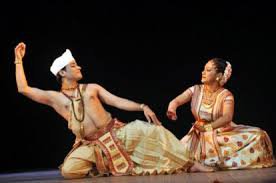 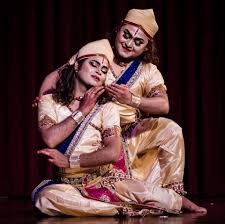Competition Description
PROBLEM STATEMENT This International Dance Day, an event management company organized an evening of Indian classical dance performances to celebrate the rich, eloquent, and elegant art of dance. After the event, the company plans to create a microsite to promote and raise awareness among people about these dance forms. However, identifying them from images is a difficult task.
You are appointed as a Machine Learning Engineer for this project. Your task is to build a deep learning model that can help the company classify these images into eight categories of Indian classical dance.
Note
The eight categories of Indian classical dance are as follows:
Manipuri Bharatanatyam Odissi Kathakali Kathak Sattriya Kuchipudi Mohiniyattam
DATA DESCRIPTION
The data folder consists of two folders and two .csv files. The details are as follows:
train: Contains 364 images for 8 classes ['manipuri','bharatanatyam','odissi','kathakali','kathak','sattriya','kuchipudi','mohiniyattam']
test: Contains 156 images
train.csv: 364 x 2
test.csv: 156 x 1
Identify the dance form
- kaggle.com
zipUpdated May 21, 2020ShareFacebookTwitterEmailClick to copy linkLink copiedCiteAditya Gupta (2020). Identify the dance form [Dataset]. https://www.kaggle.com/adityagupta008/identify-the-dance-formzip(27865753 bytes)Available download formatsDataset updatedMay 21, 2020AuthorsAditya GuptaDescriptionContext
This International Dance Day, an event management company organized an evening of Indian classical dance performances to celebrate the rich, eloquent, and elegant art of dance. After the event, the company plans to create a microsite to promote and raise awareness among people about these dance forms. However, identifying them from images is a difficult task.
You are appointed as a Machine Learning Engineer for this project. Your task is to build a deep learning model that can help the company classify these images into eight categories of Indian classical dance.
Content
The data folder consists of two folders and two .csv files. The details are as follows:
train: Contains 364 images for 8 classes ['manipuri','bharatanatyam','odissi','kathakali','kathak','sattriya','kuchipudi','mohiniyattam'] test: Contains 156 images train.csv: 364 x 2 test.csv: 156 x 1Acknowledgements
The dataset is taken from HackerEarth deep learning challenge "Identify the dance forms".
- D
Dance Sneakers Report
- datainsightsmarket.com
doc, pdf, pptUpdated Nov 9, 2025ShareFacebookTwitterEmailClick to copy linkLink copiedCiteData Insights Market (2025). Dance Sneakers Report [Dataset]. https://www.datainsightsmarket.com/reports/dance-sneakers-1352810ppt, pdf, docAvailable download formatsDataset updatedNov 9, 2025Dataset authored and provided byData Insights MarketLicensehttps://www.datainsightsmarket.com/privacy-policyhttps://www.datainsightsmarket.com/privacy-policy
Time period covered2025 - 2033Area coveredGlobalVariables measuredMarket SizeDescriptionThe global dance sneakers market is poised for substantial growth, projected to reach an estimated market size of over $500 million by 2025 and expand significantly through 2033. This upward trajectory is fueled by a robust Compound Annual Growth Rate (CAGR) of approximately 7.5%, indicating sustained expansion driven by increasing participation in dance as a recreational activity and a professional pursuit. The rising popularity of various dance forms, including Latin, modern, jazz, and mixed genres, directly translates into a growing demand for specialized footwear that offers both comfort and performance. This demand is further amplified by the increasing integration of dance into educational curricula, with schools recognizing its benefits for physical and cognitive development. The television, film, and theatre industries also contribute significantly, requiring high-quality dance sneakers for performers that meet specific aesthetic and functional requirements. Key players in the market, such as Repetto, Bloch, Capezio, and Grishko, are actively innovating, introducing new designs and technologies to cater to the evolving needs of dancers. The market's growth is underpinned by several dynamic drivers, including a global surge in health and wellness consciousness, leading more individuals to engage in dance for fitness. The increasing accessibility of online dance tutorials and virtual classes has also democratized dance education, making it easier for people of all ages to learn and practice. Furthermore, the fashion influence of dance culture, with celebrities and influencers showcasing dance apparel, is inspiring broader adoption. However, certain restraints may temper this growth. The presence of counterfeit products can dilute the market and impact brand reputation, while the relatively high cost of specialized dance sneakers compared to generic athletic shoes could be a barrier for some consumers. Nonetheless, the market's segmentation across various dance types and applications, coupled with a competitive landscape featuring established and emerging brands, points towards a dynamic and evolving market with ample opportunities for innovation and expansion in the coming years. The Asia Pacific region, particularly China and India, is expected to emerge as a significant growth engine due to a burgeoning middle class and increasing disposable income. This report offers an in-depth analysis of the global dance sneakers market, projecting a substantial valuation in the millions of USD. Covering the historical period from 2019 to 2024, with a base and estimated year of 2025, the study extends its forecast through 2033. It delves into market dynamics, key players, regional dominance, product innovation, and the evolving landscape of this specialized footwear segment.
Share of public square dancers in China 2021, by age group
- statista.com
ShareFacebookTwitterEmailClick to copy linkLink copiedCiteStatista, Share of public square dancers in China 2021, by age group [Dataset]. https://www.statista.com/statistics/1245500/china-public-square-dancer-age-distribution/Area coveredChinaDescriptionAs of February 2021, almost ** percent of public square dancers in China aged over 46 years. In comparison, young people below 18 years old amounted to about ** percent. Public square dancing is a popular exercise routine performed to music, usually in a large group, in squares, plazas or parks.
- c
Regulatory Dance: Investigating the Structural Integration of Sexual...
- datacatalogue.cessda.eu
Updated Nov 28, 2024ShareFacebookTwitterEmailClick to copy linkLink copiedCiteHardy, K., University of Leeds; Sanders, T., University of Leeds (2024). Regulatory Dance: Investigating the Structural Integration of Sexual Consumption into the Night-Time Economy, 2010-2011 [Dataset]. http://doi.org/10.5255/UKDA-SN-6875-2Unique identifierhttps://doi.org/10.5255/UKDA-SN-6875-2Dataset updatedNov 28, 2024Dataset provided bySchool of Sociology and Social PolicyAuthorsHardy, K., University of Leeds; Sanders, T., University of LeedsTime period coveredJun 1, 2010 - Feb 1, 2011Area coveredEnglandVariables measuredIndividuals, NationalMeasurement techniqueFace-to-face interviewDescriptionAbstract copyright UK Data Service and data collection copyright owner.
This is a mixed methods data collection.
This project set out to investigate the rise of lap dancing in the UK and the experiences of women who work in the industry in relation to working conditions and their feelings about work. The project also aimed to explore the role of regulation and governance of the industry and the night time economy in relation to women's experiences as dancers. To do this, the largest English survey so far of dancers/strippers was undertaken (196 responses), and interviews were conducted with 35 dancers across the country and 20 people who worked in clubs as managers, owners, door security, and 'housemums'. A further 15 interviews were conducted with those officials who regulate the industry such as licensing officers and health and safety and police personnel. While 20 clubs across the country were visited during the study, fieldwork was largely concentrated in one city in the North of England and one in the South. Users should note that the UK Data Archive study contains a subset of these data, comprising only the dancers' quantitative survey and seven of the interviews conducted with licensing/health and safety personnel.
The project found that many younger women are entering dancing as it offers the benefits of flexible, cash-in-hand work that requires minimal commitment or responsibility. Women generally enjoyed their work and its advantages, although there were regular reports of harassment from customers. Women were using dancing strategically to either further their education or career or position themselves better in the labour market in the future. There were issues raised regarding some clubs' lack of consideration for the welfare of their workers. Most notably, there was evidence of financial exploitation from managers as women would pay high 'house fees' and commission, often earning very little money after a shift. The project found no evidence connecting lap dancing to organised prostitution or trafficking. The project found that lap dancing is a precarious form of work which was ironically enabling women to avoid insecure employment and personal circumstances in the future.
Further information about the project and links to publications may be found on the ESRC The Regulatory Dance: Investigating the Structural Integration of Sexual Consumption into the Night Time Economy award webpage and the University of Leeds Social Sciences Institute Regulatory Dance webpage.
Main Topics:
The interviews with local authority/police personnel covered: health and safety legislation applied to clubs, relations with club owners, licencing, inspections and dancers' working conditions.
The dancers' survey covered: demographic details, children, marital status, income, educational background and qualifications, employment history in dancing and other occupations, working conditions in clubs, and attitudes to dancing.

 FacebookTwitterEmail
Participants in dance, step, and other choreographed exercise in the U.S. 2014-2024
In 2024, the number of participants in dance, step, and other choreographed exercise to music in the United States amounted to approximately **** million. This showed growth over the previous year's figure of **** million.